

Nepal floods: the villages still cut off
REACT Responders are in Nepal now, moving supplies the last hard miles into villages the roads no longer reach.
Villages in Nepal are still cut off after the floods. REACT has already sourced 2,000 hygiene kits and delivered six generators.
Your donation helps us travel the hardest miles.
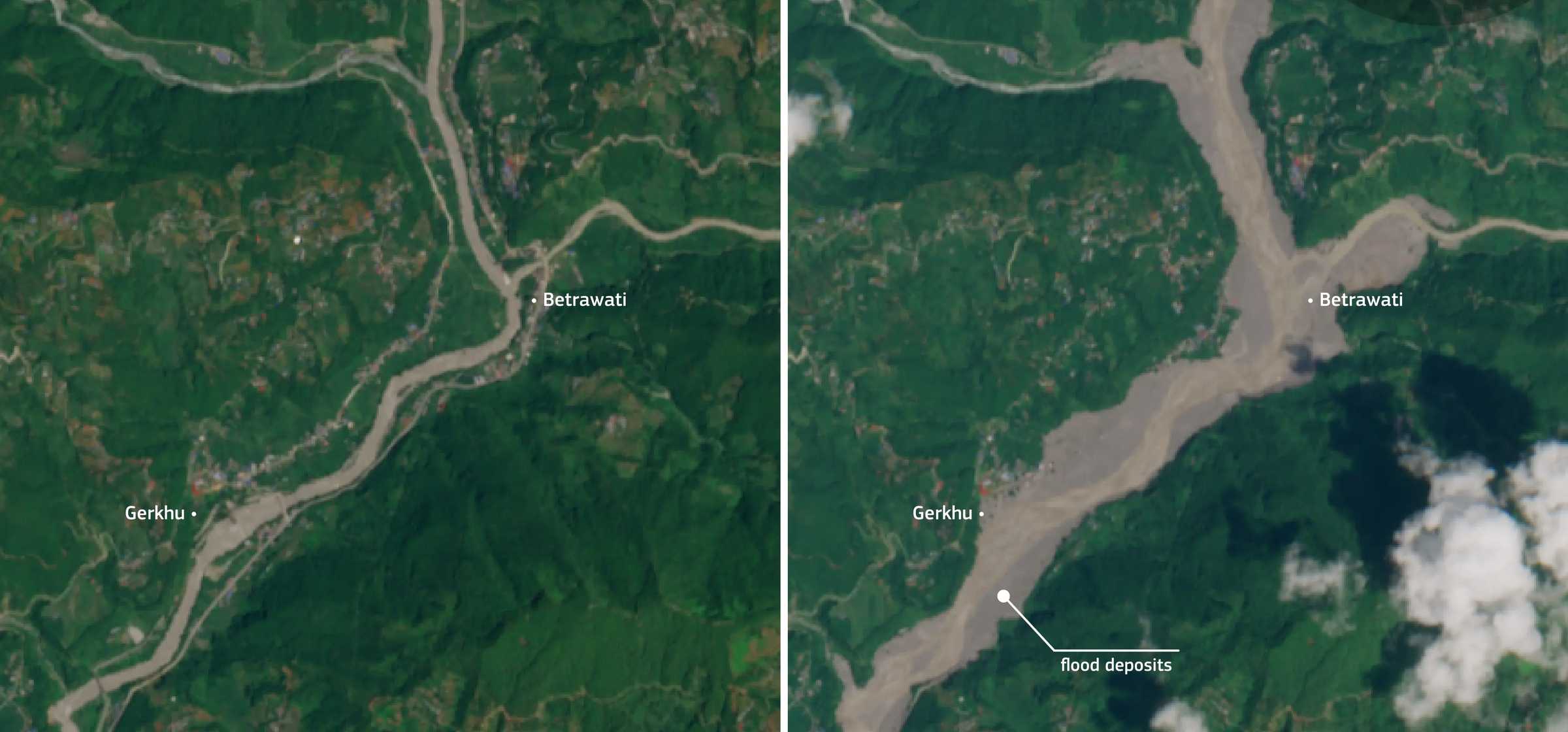
On 26 August a glacial lake burst high on the Nepal-Tibet border
A glacial collapse sent a surge of water, sediment and boulders down the Bhote Koshi and Trishuli river systems. Homes, roads and bridges were destroyed through Rasuwa and Nuwakot.
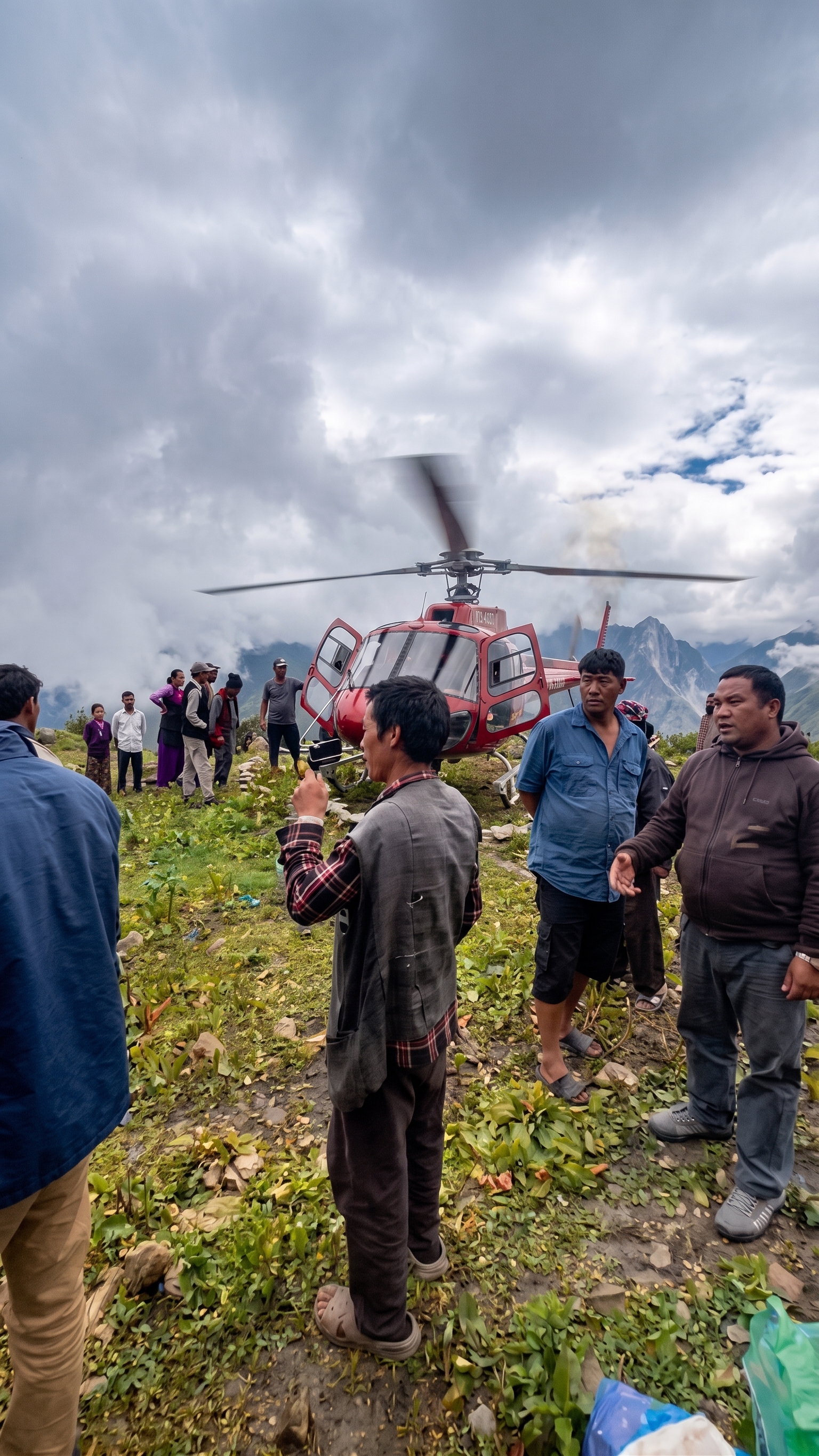
Villages furthest up the valley remain cut off, with no electricity and no phone signal. Some places can be reached only on foot, or by helicopter.
Three REACT Responders reached Kathmandu on 30 August. They are working alongside Local and humanitarian organisations to support a response led by Nepalis, for Nepalis.
8districts of Nepal feeling the impact
2,000hygiene kits funded by REACT so far
6generators delivered to cut-off villages
2,000 hygiene kits, sourced in Nepal
Three hundred Nepali volunteers packed kits in HAPSA's facility: soap, toothbrushes and toothpaste, sanitary pads, mosquito repellent, rehydration salts, water disinfection. Up to 600 kits a day. The bag is waterproof and doubles as a water carrier.
Almost everything inside is made in Nepal and bought direct from the manufacturers, so a batch takes hours rather than weeks.
REACT funded 2,000 of the 5,000 kits HAPSA Nepal is delivering.
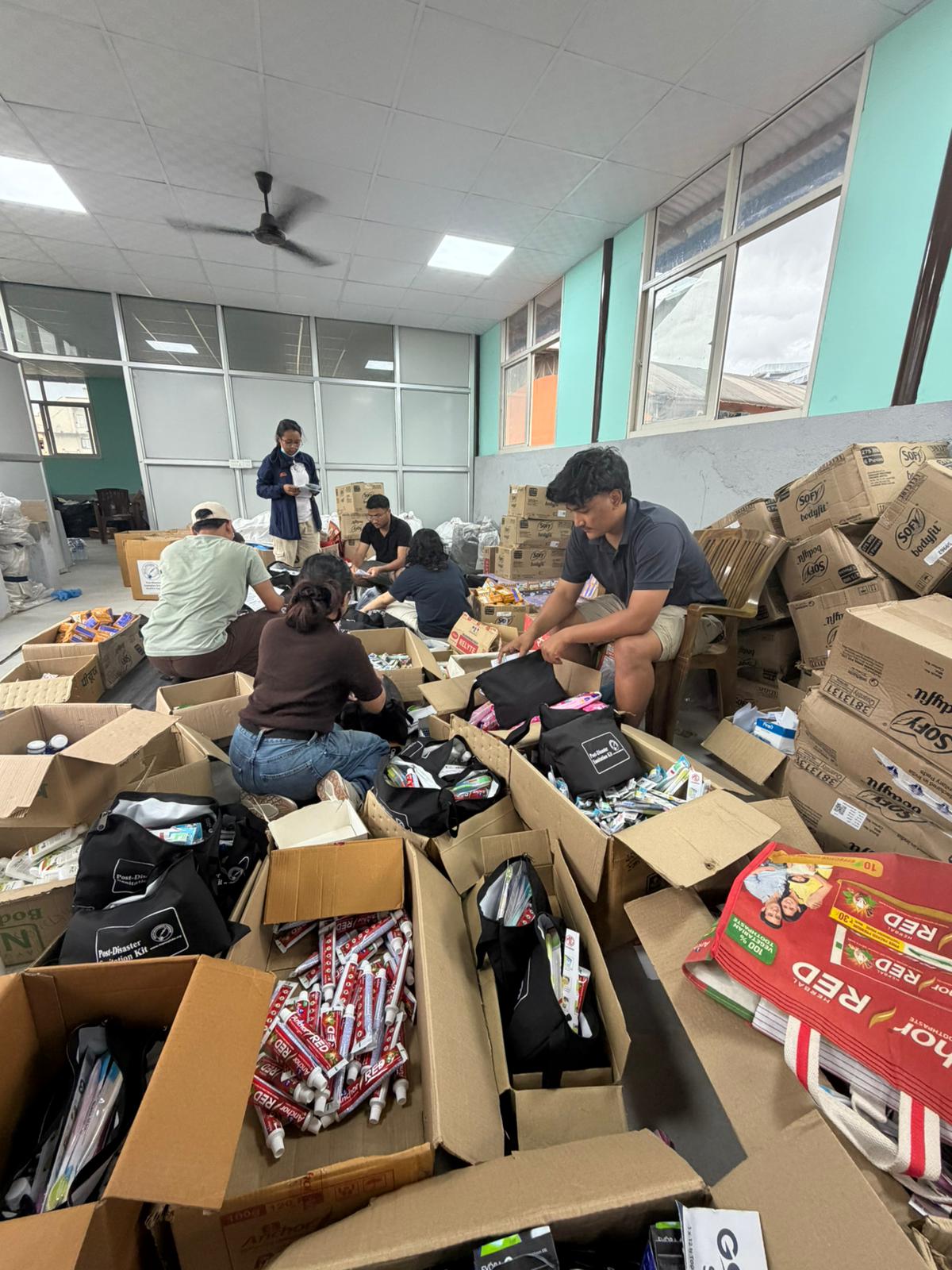
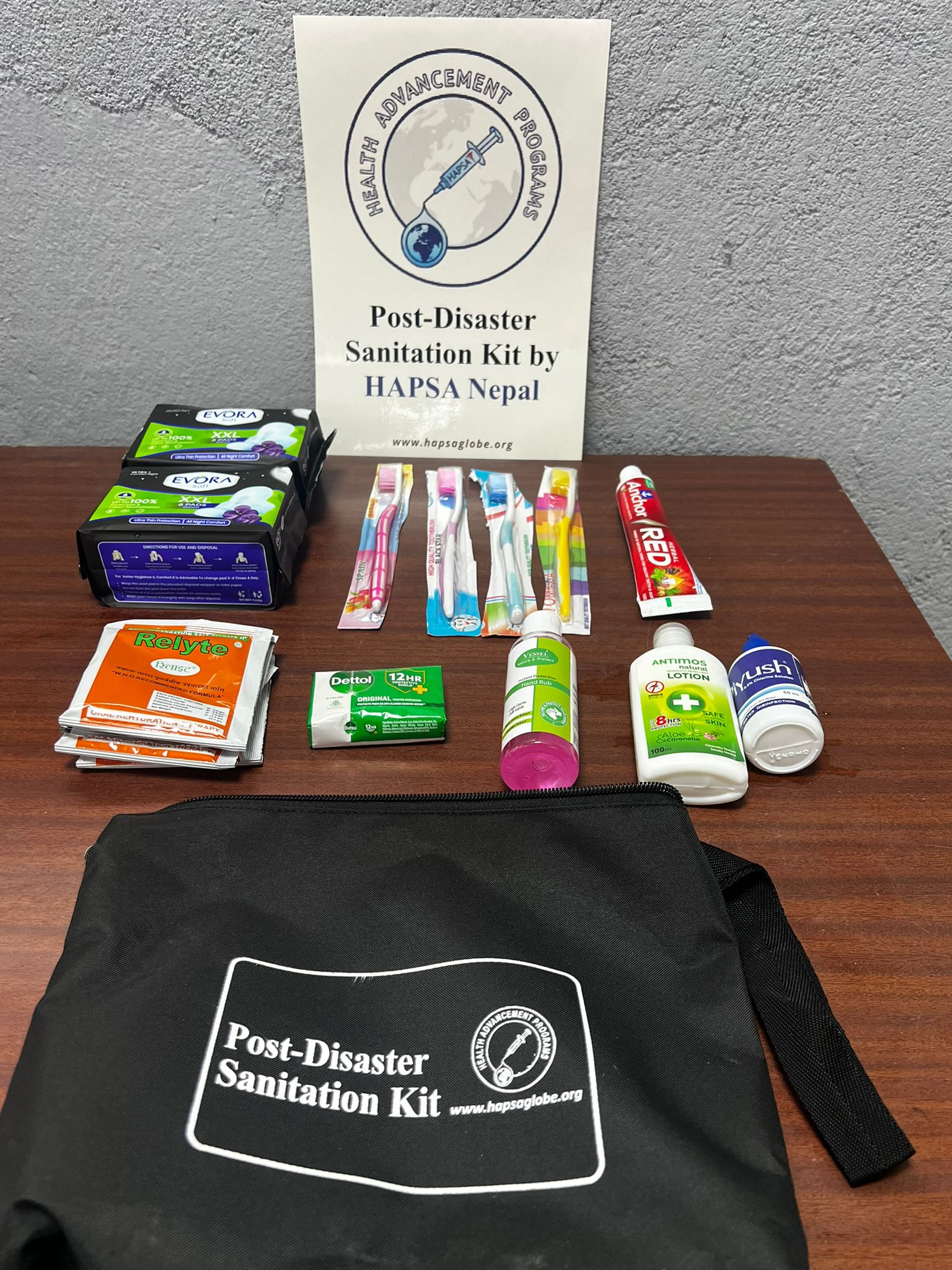
Kits being packed at HAPSA's facility, and the contents of a single kit. Photos: Matt Ladbrook, 1 September 2026.
Six generators, delivered to villages with no road access
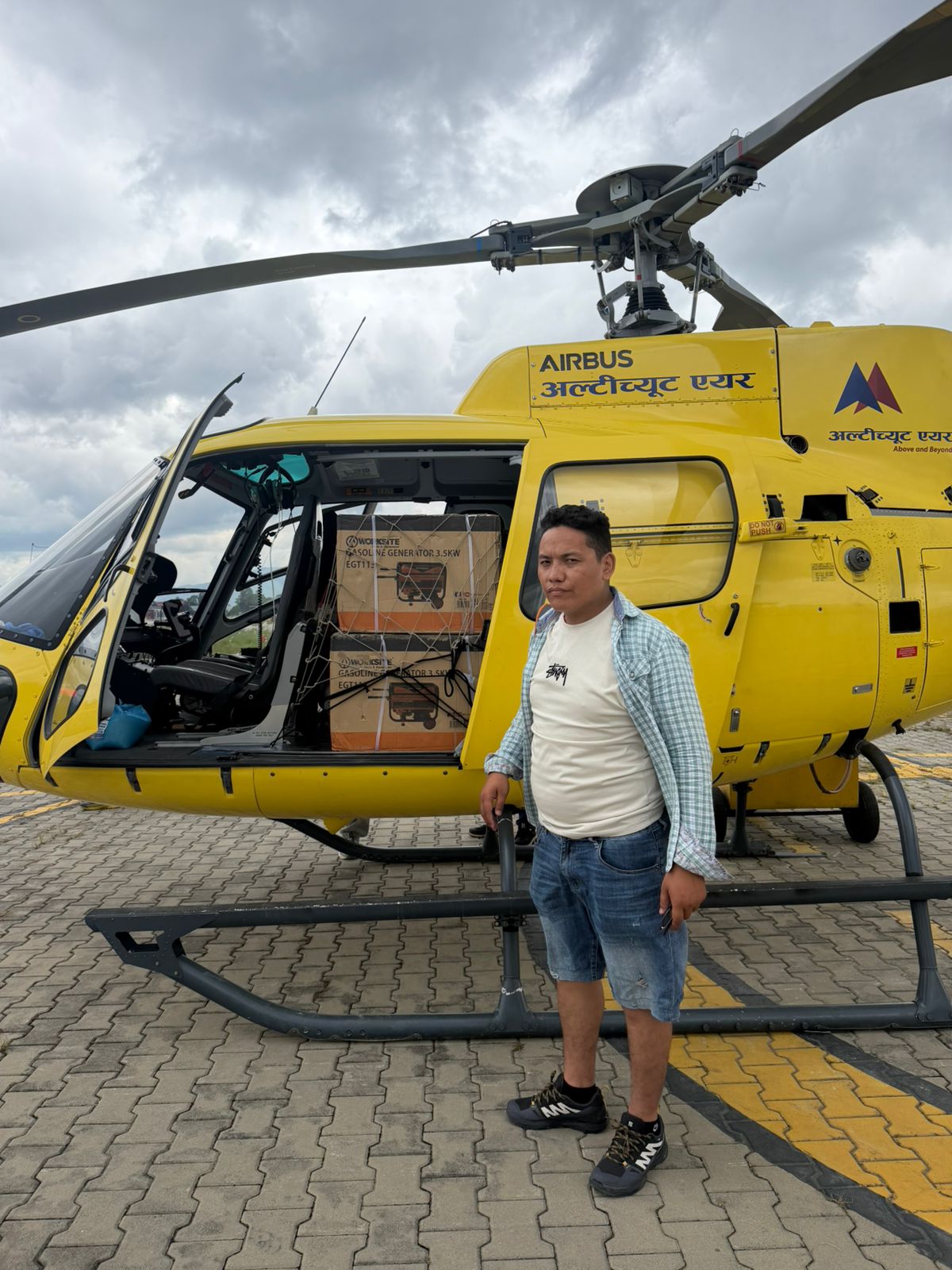
Briddhim, Lingling, Sherpa Gau and Benjang. A generator means villagers can charge phones, tell someone what they need, reach families who don't know whether they're okay, and start organising their own recovery.
Getting them there is the hard part.
STEP ONE16 hours by 4x4On 3 September two Responders drove from Kathmandu to Kalikasthan, carrying 100 hygiene kits.
STEP TWOBy helicopterThe same day, 200 more kits, cooking oil and generators went in to four cut-off villages.
STILL TO GOTwo generatorsBought and waiting for transport to the villages still beyond reach.
Why we buy in Nepal
Hours, not weeks
Buying in Nepal means supplies move in hours rather than weeks, and the money stays in the Nepali economy.
The last few miles
With the bridges gone, the last few miles by helicopter, by 4x4 and on foot are the hardest part of the journey.
Led by Nepal
The Government of Nepal is leading this response. Our role is to support Nepali organisations and reach the hardest places.
Donate to the Nepal floods appeal
£5 buys a hygiene kit. £190 buys a generator. Your donation helps us travel the hardest miles.
Donations support REACT's humanitarian response to the Nepal floods through our Rapid Response Fund. If we cannot use all funds raised for this response, they will support REACT's wider charitable work through the Fund: training, resourcing and equipping REACT to respond to future disasters.